
Construction management and artistic direction
The Project Management team ensures technical oversight of the project’s execution within the scope of the assigned assignment; the Artistic Management team focuses on ensuring the result is consistent with the architectural concept, verifying materials, finishes, details, and all those components that determine the character of the space.
Two different but complementary activities, particularly important in projects where architecture, interior design, structures, systems, and specialized workmanship must converge towards a unified result.
Entrust FAD with project management and transform your project into a masterpiece.
Contact us and tell us about your project .
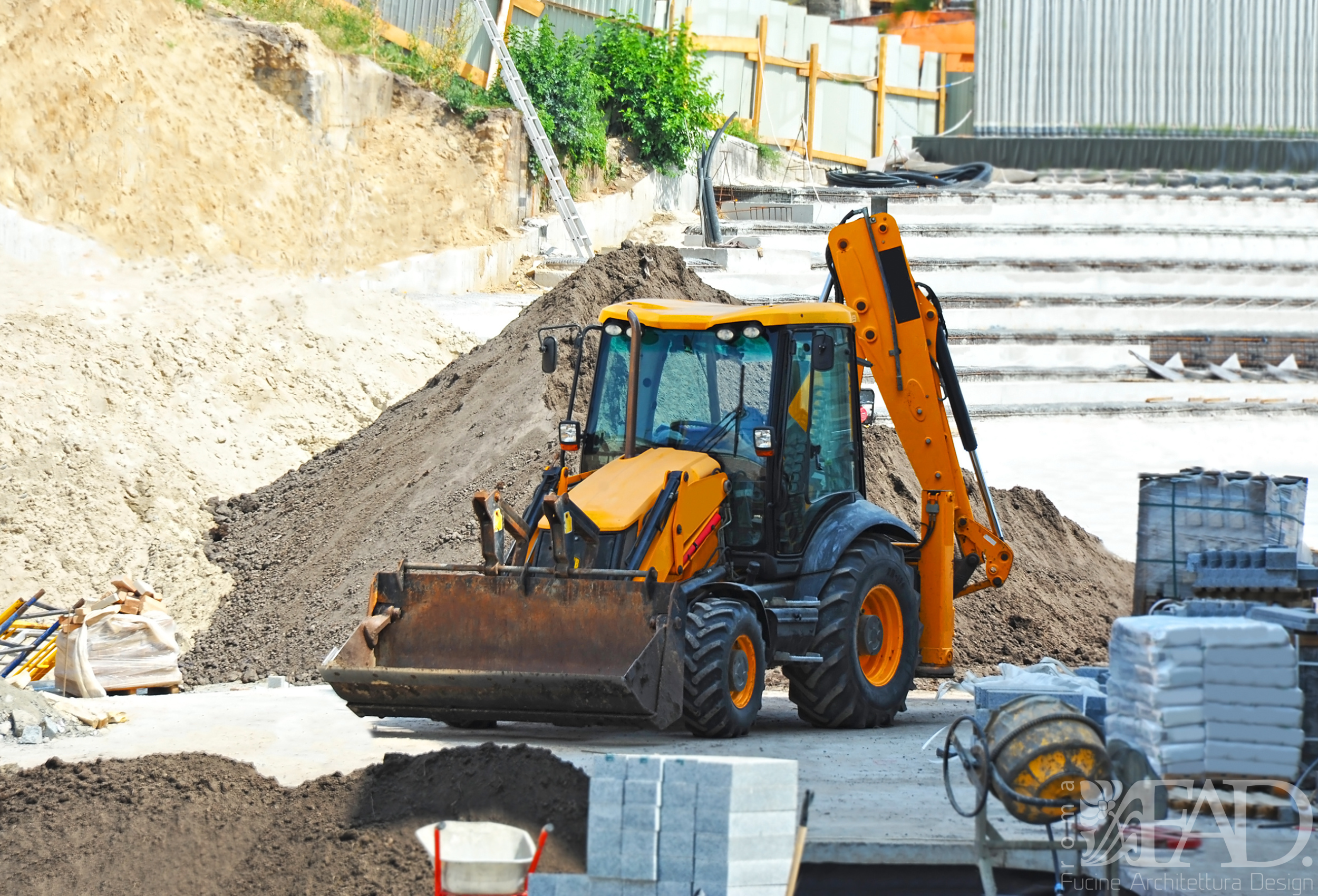

Construction management:
monitoring the project during construction
The transition from design to construction is one of the most delicate phases of any intervention.
The design documents must be correctly interpreted by the companies, the different processes must be compatible with each other, and any critical issues that emerge during execution must be addressed without losing the overall vision of the project.
The Construction Management supports this process by verifying, within its scope of expertise, the correct execution of the works and their compliance with the project, authorizations, and applicable regulations.
For the client, this means being able to count on a technical contact who knows the project and follows its progress throughout the construction site.

Whats does the construction management service include?
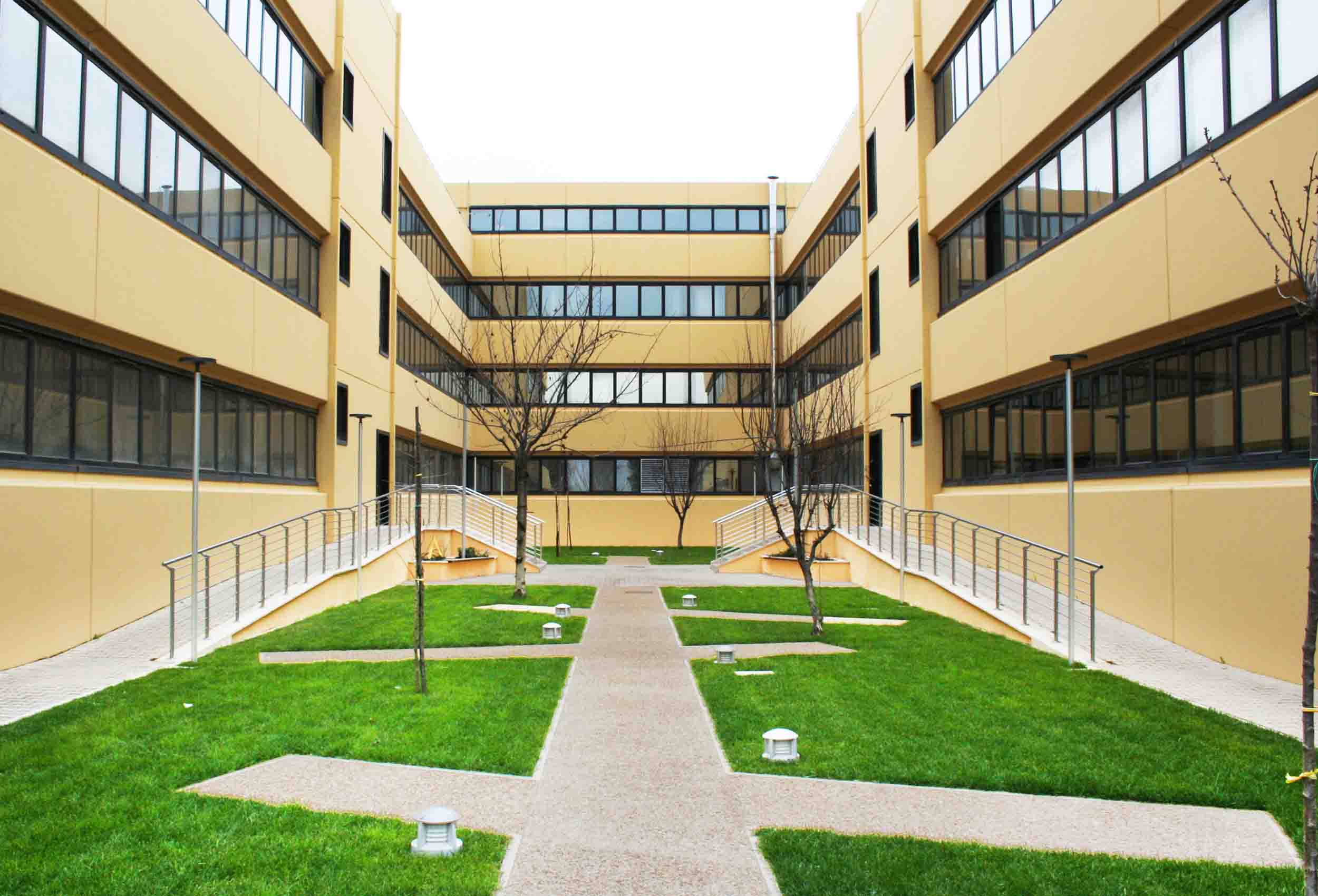
From Construction management do Artistic direction
Correct technical execution alone is not always sufficient to guarantee the architectural quality of the result.
In projects where materials, proportions, lighting, colors, furnishings, and details significantly contribute to the identity of the space, it is also necessary to preserve the design intent throughout the construction process.
This is where the Artistic Direction comes in.
While the Construction Management verifies the technical aspects of the execution specific to the assignment, the Artistic Management safeguards the aesthetic and compositional coherence of the project.
The distinction is important: these are not two definitions of the same activity, but complementary skills that allow us to observe the implementation from different perspectives.

The artistic direction of the construction site

The Artistic Direction accompanies the transformation of the concept into built space.
This means ensuring that materials, finishes, colors, custom elements, lighting, and details maintain the design language defined during the design process.
This control takes on particular importance when the project integrates industrial components and artisanal processes or when new elements must interact with pre-existing architectural features.
Artistic Direction also allows us to evaluate any changes that may arise during the work, not only from the perspective of their feasibility, but also with respect to the consequences they may have on the overall perception of the space.
For Fucine Architettura Design, the construction site thus becomes the continuation of the design process, not a separate phase.
Control of materials, finishes and executive details
The final quality of an environment often depends on details that on paper may seem secondary.
The way two materials meet, the installation of a covering, the precision of a joint, the relationship between lighting and false ceiling, or the integration of a fixed piece of furniture can significantly alter the perception of the entire project.
For this reason, Fucine pays particular attention to checking materials, samples, finishes, and executive details.
The design choice is followed through to its concrete implementation, maintaining the dialogue between industrial solutions, artisanal workmanship, and custom-designed elements.

Management of unforeseen events and
changes during construction
Even careful planning cannot completely eliminate the possibility of unforeseen events, especially when working on existing buildings.
During demolition and construction work, previously undetectable structures, systems, stratigraphies or conditions may emerge.
In these situations, it is necessary to evaluate the solution by considering not only the immediate problem, but its consequences for the project as a whole.
A modification can simultaneously involve architectural, structural, plant engineering and aesthetic aspects.
The continuity between the design and execution phases allows these decisions to be addressed while preserving, as far as possible, the original objectives of the project.
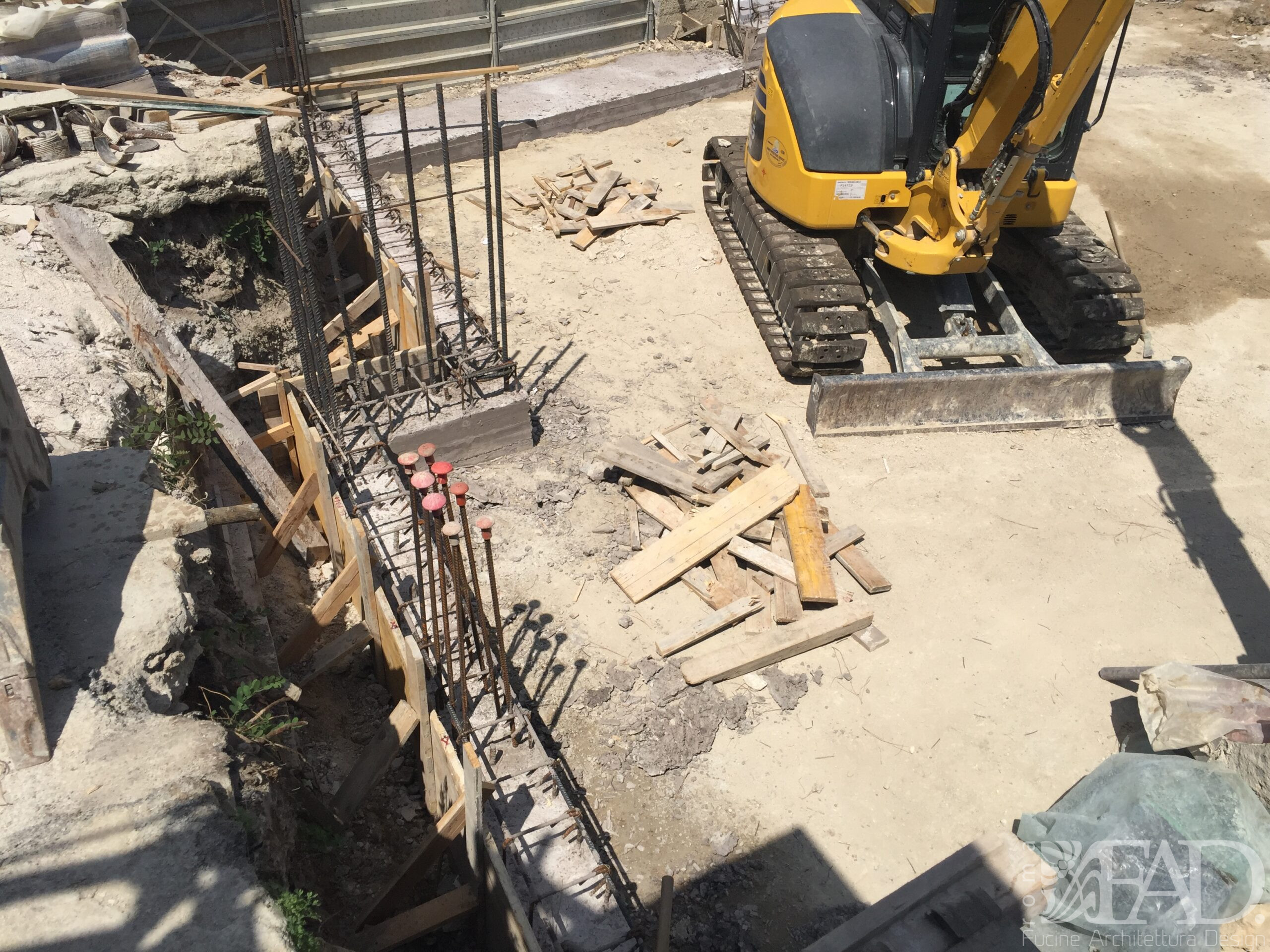
Multidisciplinary coordination
between architecture, structures and systems
Many critical issues emerge at the intersection of different disciplines.
A system can interfere with a structural element; a change in height can alter a suspended ceiling; the position of a technical component can conflict with lighting or custom-designed furniture.
Multidisciplinary coordination allows us to evaluate these relationships while maintaining compatible technical, functional and aesthetic needs.
In more complex projects this activity is integrated with the construction project management service , dedicated to the overall planning and monitoring of the intervention.
Project management for renovations and complex interventions
When working on existing structures, the construction phase requires a particular level of control.
Demolitions, layout changes, structural interventions, new systems, windows, finishes, and furnishings must be integrated with the characteristics of the existing building.
Actual conditions may also only become fully visible during execution.
Directly following this phase allows the studio to interpret what emerges on the construction site in light of the overall project and to evaluate any changes without losing continuity between idea and implementation.


Construction management for residences, offices and commercial spaces
Each intended use entails different priorities.
In residential projects , materials, comfort, details and personalization of the space take on particular importance.
In offices , control involves the relationship between functional distribution, systems, lighting, acoustics, furnishings and technologies.
In commercial and retail spaces, it is also necessary to maintain consistency between architecture, brand identity, user experience, supplies, and specialized workmanship.
FAD therefore adapts the Construction Management and Artistic Direction activities to the nature of the project and the specific objectives of the client.
The Fucinead method
Fucine Architettura Design, a studio led by Fabrizio Forniti, develops projects in which functionality, technique, aesthetic research, and the perceptual quality of space are all part of the same process.
Following the intervention even during its implementation allows us to maintain this vision until the final stages.
The Project Management team ensures the project’s proper execution within the scope of its assigned responsibilities; the Artistic Management team preserves its identity, materials, proportions, and expressive quality.
When the complexity of the intervention requires it, these activities can be integrated with project management and monitoring and with safety coordination , maintaining clearly distinct roles, skills and responsibilities.

A project followed through to its completion
The quality of an intervention depends not only on the quality of the design, but also on the ability to correctly translate it into built space.
Following the process through to completion means ensuring that the decisions made during the design phase are effectively implemented in the project and competently addressing the inevitable relationships between technology, materials, and construction.
To entrust Fucine Architettura Design with the Construction Management and Artistic Direction of your project, contact the studio.