
Technical urban planning due diligence
Technical and urban planning due diligence is a fundamental tool in the real estate sector, indispensable for ensuring the building and urban planning compliance of properties involved in sales or investments. This in-depth assessment allows for the analysis of the property’s legal, technical, and urban planning status, significantly reducing the risks associated with non-compliance, violations, or undeclared restrictions.
In an increasingly complex regulatory environment subject to legal interpretation, as highlighted by recent Supreme Court rulings, technical and urban planning due diligence plays a crucial role in preventing administrative, criminal, and civil penalties. It offers real estate investors, industry professionals, and public and private entities essential tools for an informed and reliable assessment of investments.
The process involves various qualified professionals, such as surveyors, architects, and engineers, as well as public bodies such as the Municipality of Rome, which provide the necessary technical and urban planning documentation.
Contact us if you need this documentation
What is technical urban planning
due diligence and why is it essential?
Technical and urban planning due diligence is a thorough review aimed at ensuring that a property complies with all applicable building and zoning regulations prior to a real estate transaction. Its primary purpose is to identify and assess any irregularities, discrepancies, or restrictions that could negatively impact the property’s use, value, and legality.
This process is essential to protecting real estate investors and operators, providing tools for accurate valuations and preventing real estate risks that could jeopardize the investment.
The importance of due diligence has increased over time, especially following court decisions such as the Supreme Court ruling, which emphasized that zoning discrepancies, while not invalidating the sale deed, remain relevant from an administrative, criminal, and civil perspective.
Technical and urban planning due diligence involves qualified professionals such as surveyors, architects, and engineers, as well as public bodies such as the Municipality of Rome, who provide documentation and technical support. FAD ensures a high standard of competence and professionalism, making this activity an essential step for the safety and compliance of real estate investments.
What skills should the due diligence team have ?
The activities are defined based on the characteristics and complexity of the intervention.
The appointed professional must have solid expertise in urban planning, construction, and land registry matters, as well as the ability to assess the property’s state of repair in terms of its structural and system engineering. Since the inspections involve different technical areas, it is often advisable to involve a multidisciplinary team capable of examining the various aspects of the real estate asset in a coordinated manner.
The key phases of due diligence
Technical urban planning due diligence is carried out through several operational phases, each with a specific and complementary role, ensuring a complete and reliable analysis of the property. The main phases are:
• Pre-contractual phase: the available documentation is collected and preliminary analyzed, including building permits, land registry inspections and plans, urban planning certifications, and any other relevant documents. The goal is to identify any irregularities or deficiencies that could impact the negotiation.
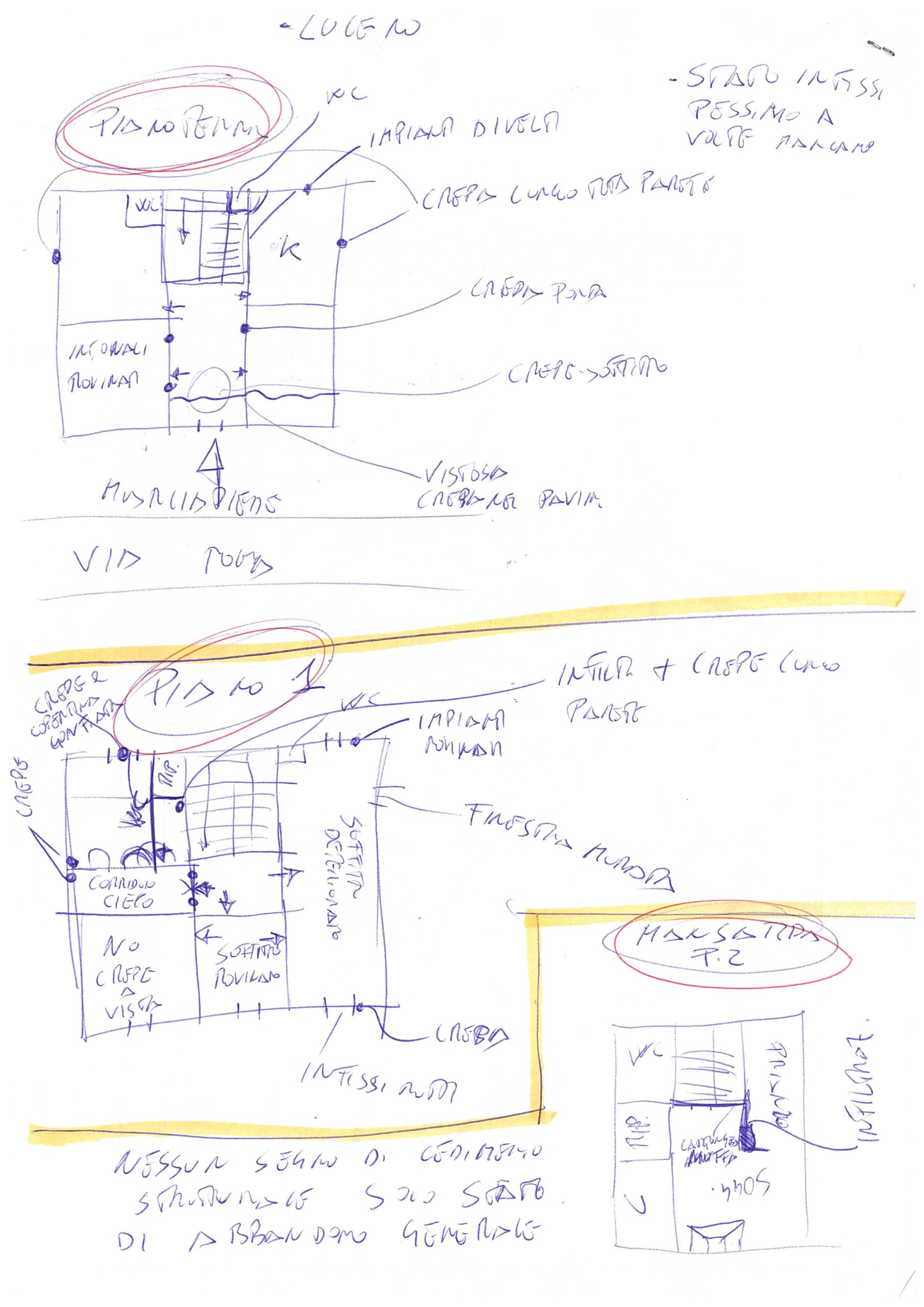
• Pre-closing phase: a technical inspection is conducted, essential for verifying the actual condition of the property and its correspondence with the acquired documentation. During this phase, the systems and environmental conditions are also assessed to identify any technical or environmental issues.
• Post-closing phase: a final report is prepared that summarizes the observations, highlights risks and non-conformities, and suggests possible interventions or mitigation strategies. This document provides essential support for investment decisions and future management of the property.
These phases integrate document analysis with on-site technical inspections, involving expert professionals and public bodies such as the Revenue Agency.
How long does due diligence take?
The timing depends on the size and complexity of the real estate asset. In FAD’s experience, completing the document analysis, conducting the inspection, and preparing the due diligence report takes approximately two months.
If the available documentation is incomplete and access to the documents from the relevant authorities is required, the processing time may be extended by an additional one or two months. These are guidelines only, and should be evaluated based on the specific characteristics of the property and the availability of the documents.
Essential Documents and Checklist for Due Diligence
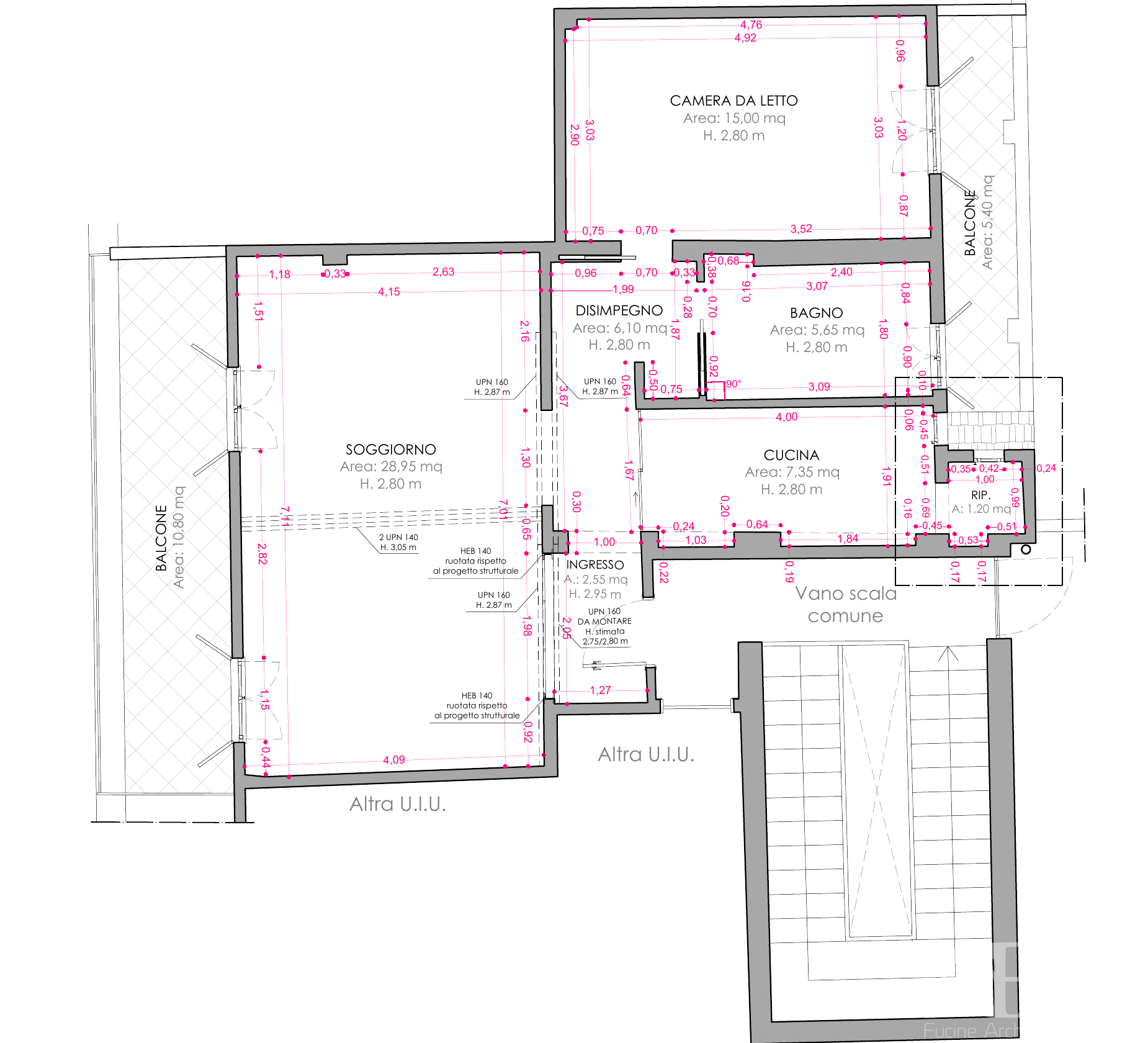
Effective technical and urban planning due diligence relies on comprehensive and organized documentation. The key documents to acquire include:
- Real estate documentation: updated land registry records, cadastral plans, and urban planning certifications , essential for verifying the formal and substantial regularity of the property.
- Checklist for verifying building permits: detailed list of required building permits, such as building permits, construction permits, and authorizations, to certify building compliance.
- Documents relating to urban planning and environmental restrictions: information on landscape, environmental, historical restrictions, easements, and any other restrictions affecting the property.
- System documentation and safety certifications: data relating to electrical, plumbing, and heating systems, as well as compliance and safety certifications.
- Digital tools for document collection: technological platforms for digital document management and sharing, which facilitate the control, updating, and traceability of information.
Methodology and tools used
Technical urban planning due diligence is based on an integrated methodology that combines document analysis with a technical inspection, ensuring a comprehensive and accurate assessment of the property.
- Integrated approach: the thorough examination of documents is complemented by on-site inspections to verify the correspondence between the actual situation and the documentation.
- International quality standards: Standards such as UNI CEI EN ISO/IEC 17020 are adopted to ensure transparency, impartiality, and rigor in technical inspections.
- Software and work tools: in FAD’s experience, due diligence reports were drawn up using ordinary word processing and spreadsheet programs, useful for organizing information and presenting the results of the checks.
- Interdisciplinary collaboration: Qualified professionals and institutions work together to provide a comprehensive and up-to-date analysis.
- Transparency and traceability: each phase is documented and shared, ensuring high standards of reliability and control.
This methodology ensures rigorous and up-to-date monitoring, strengthening investor confidence and supporting informed and strategic decisions.
Artificial intelligence is also becoming increasingly important in the due diligence sector. Its potential applications can support information management and certain document analysis activities, without replacing the verification of results and technical assessments by the professionals in charge.
How to assess urban planning risks and non-conformities
The assessment of urban planning risks and non-compliance is a crucial phase of technical urban planning due diligence, aimed at identifying and analyzing issues that could compromise the legality and value of the property.
- Types of risks: building non-compliance with permits, landscape, environmental, or historical constraints, active or passive easements that limit the use of the property.
- Identification methods: combination of document analysis and technical inspections to detect discrepancies, irregularities, and structural or system issues.
- Legal and administrative implications: Irregularities may result in fines, regularization requirements, or, in the most serious cases, demolition of illegal structures, with negative impacts on the validity and safety of the investment.
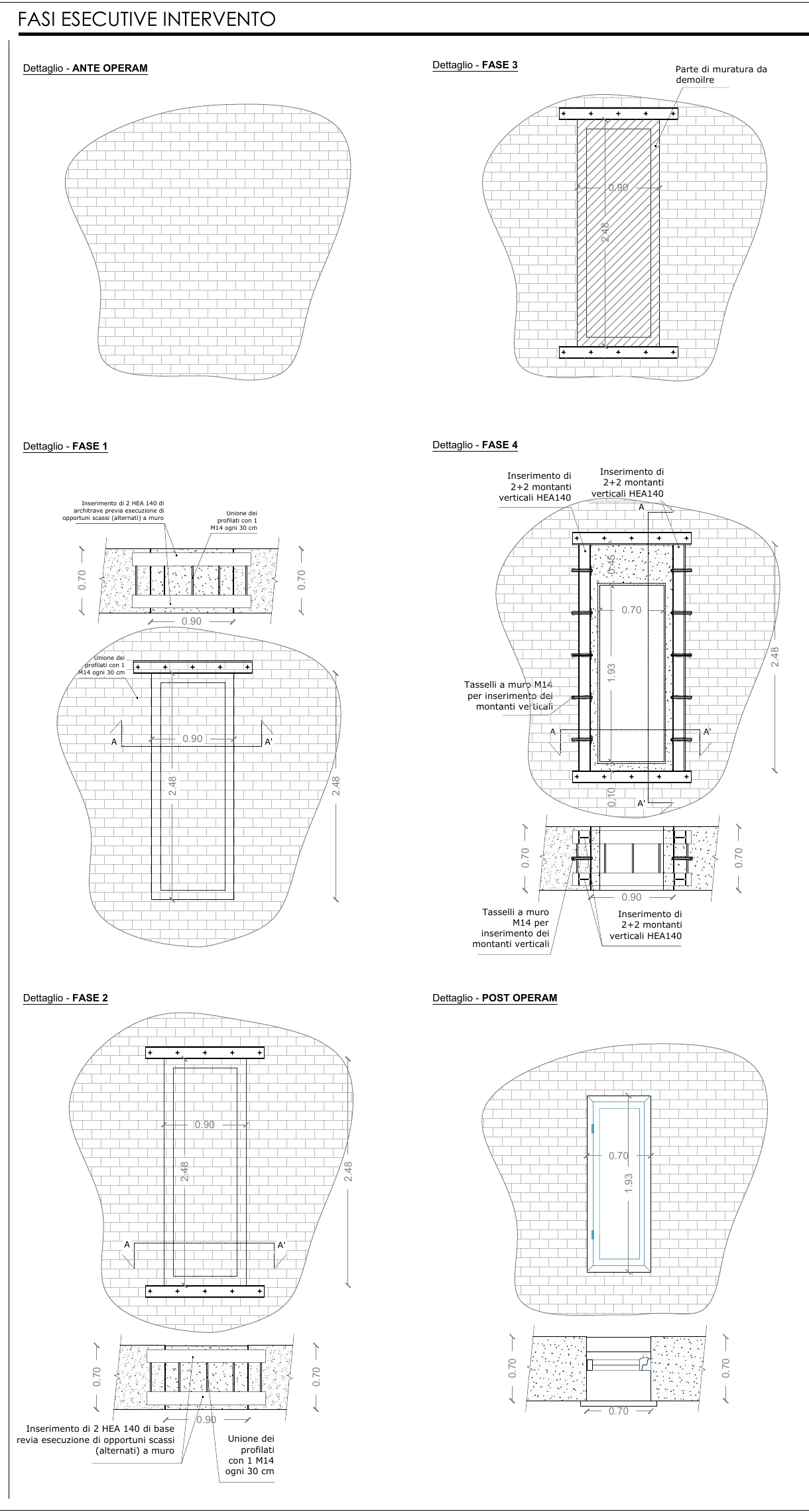
- Vulnerability assessment: analysis of seismic vulnerability and system status, key aspects for the property’s safety and technical compliance.
- Role of the final report: The final document summarizes the identified risks and helps investors make informed decisions, possibly negotiating more favorable contractual terms.
A thorough analysis of urban planning risks is essential to avoid future fines and problems, protecting the safety of your real estate investment.
Advantages and added value of Due Diligence
Technical urban planning due diligence offers numerous concrete benefits, representing a strategic investment in the safety and enhancement of properties.
- Prevent future costs and problems: It allows you to promptly identify irregularities and risks, avoiding unexpected expenses related to regularizations, penalties, or disputes.
- Transparency and security: fosters a climate of trust between the parties, facilitating negotiations and reducing uncertainties related to sales or investments.
- Property enhancement: through detailed and documented reports, highlights the property’s features and potential, increasing its market appeal.
- Support in contract negotiations: the final report provides objective elements for negotiating more advantageous conditions or planning corrective actions.
- Importance for institutional and private investors: it represents an essential tool for those who operate with high standards of security and professionalism.
FAD’s experience in due diligence
Over the years, FAD has conducted numerous technical and urban planning due diligences on properties with a variety of intended uses, including office, commercial, residential, and logistics assets. This experience with diverse property types allows us to approach inspections while taking into account the specific technical and documentary requirements of each property.

An architecture firm driven by innovation and the fusion of creativity and research, creating unique projects—forged as if in a workshop—through the constant exploration of architecture, design, and both artisanal and industrial production methods.
Address
Via Carlo Botta, 28 | 00184 Roma
Phone
©Copyright FAD Fucine Architettura Design Srl | P.I. 12764541004 | Pec: fad_srl@pec.it | Privacy Policy – Cookie Policy | Credits